


Top lighting trends for modern workspaces in 2027
Create workspaces that enhance the health, happiness, and productivity of their teams in 2027 and beyond.
Did you know that proper office lighting can boost productivity by up to 20%? In today's fast-paced professional world, the environment where we spend a significant portion of our day plays a crucial role in our well-being, focus, and overall output. Lighting, often an overlooked element, is a powerful tool that can transform a sterile office into a dynamic and inspiring hub of innovation. As we navigate 2027, several exciting lighting trends are emerging, focusing on creating healthier, more engaging, and highly functional workspaces. Let's explore how these trends, drawing inspiration from cutting-edge design and innovative products like Flexxica's, are set to redefine office illumination.
The evolution of office lighting: beyond basic illumination
For decades, office lighting was largely utilitarian – rows of fluorescent tubes designed for basic visibility. However, the understanding of how light impacts human physiology and psychology has advanced dramatically. We now recognise that lighting is not just about seeing; it's about feeling and performing. This shift has led to a focus on several key areas:
- Human-Centric Lighting (HCL): This approach mimics the natural daylight cycle, adjusting the colour temperature and intensity of artificial light throughout the day. In the morning, cooler, brighter light can promote alertness, while warmer, softer light in the afternoon can encourage relaxation and reduce eye strain.
- Biophilic Design Integration: Bringing elements of nature indoors is a major trend, and lighting plays a vital role in this approach. This can involve using lighting to mimic natural patterns, highlight plant life, or create a sense of openness.
- Acoustic Integration: Noise pollution in open-plan offices is a persistent challenge. Innovative lighting solutions now incorporate acoustic materials to absorb sound, creating quieter, more focused work zones.
- Smart and Adaptive Lighting: With the rise of the Internet of Things (IoT), office lighting is becoming increasingly intelligent. Systems can be controlled remotely, scheduled, and even adapt to occupancy and natural light levels, optimising energy efficiency and user comfort.
- Aesthetic and Architectural Integration: Lighting is no longer an afterthought. It's being designed as a core architectural element to enhance the space's aesthetics and create visual interest.
Key lighting trends shaping workspaces in 2027
Let's dive into the specific trends that are illuminating modern offices and driving productivity.
1. Human-Centric Lighting (HCL): The future of well-being
The concept of Human-Centric Lighting is rapidly moving from a niche idea to a mainstream expectation. HCL systems are designed to synchronise with our body's natural circadian rhythms, which regulate sleep-wake cycles and influence alertness, mood, and cognitive function.
-
How it Works: HCL systems utilise tunable LED fixtures that can dynamically change their colour temperature (from warm, amber tones to cool, blue-white light) and intensity throughout the day. For example, a typical HCL schedule might involve:
- Morning (e.g., 8 AM - 11 AM): Brighter, cooler light (around 5000K-6500K) to boost alertness and cognitive performance.
- Midday (e.g., 11 AM - 2 PM): Neutral white light (around 4000K) to maintain focus.
- Afternoon (e.g., 2 PM - 5 PM): Warmer, less intense light (around 2700K-3000K) to promote relaxation and help you wind down.
-
Benefits:
- Improved Sleep Quality: By supporting natural circadian rhythms, HCL can help employees sleep better, leading to increased energy and reduced fatigue.
- Enhanced Alertness and Focus: The right light at the right time can significantly improve concentration and reduce errors.
- Reduced Eye Strain and Headaches: Mimicking natural light patterns helps alleviate visual discomfort often associated with static, artificial lighting.
- Boosted Mood and Productivity: Studies have shown a direct correlation between well-being and productivity, and HCL contributes significantly to a positive work environment.
-
Product Examples: While specific product lines evolve, the principle applies to tunable white LED luminaires. Companies are increasingly offering solutions that integrate with building management systems for seamless control. The Flexxica Professional Lighting category, for instance, often includes high-quality LED solutions that can be customised for colour temperature and intensity, forming the backbone of an HCL system.
2. Acoustic lighting: The silent revolution
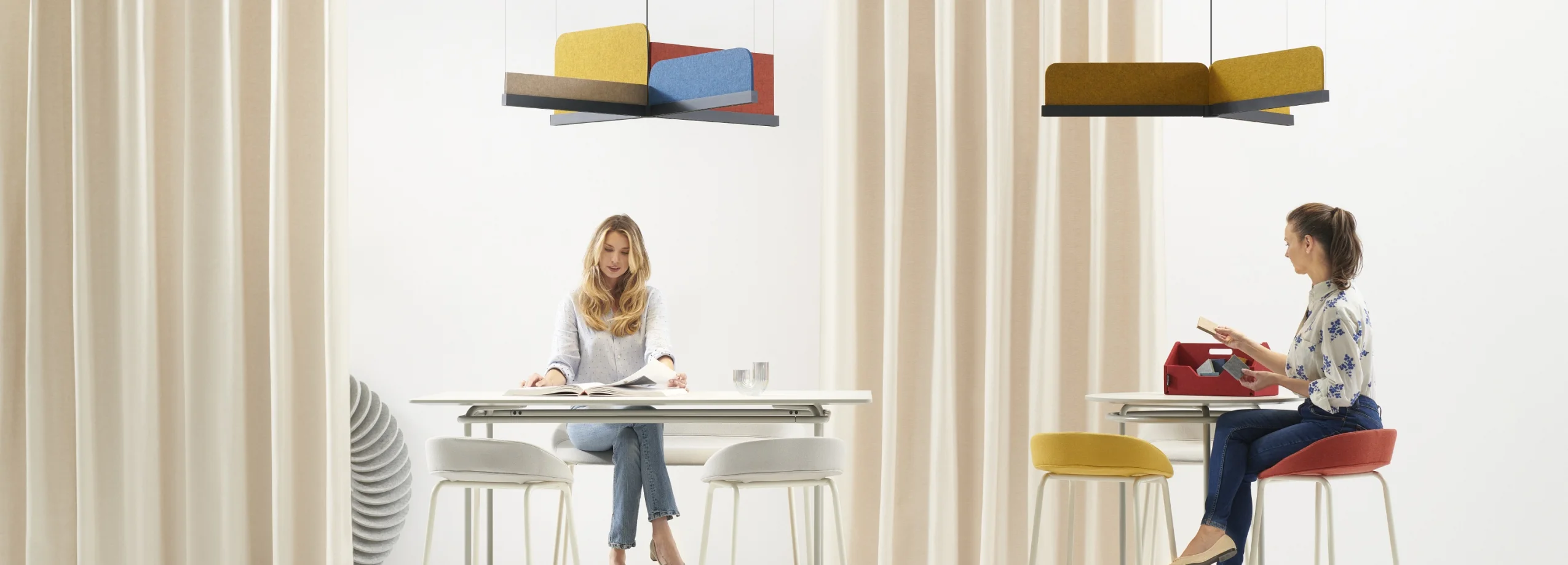
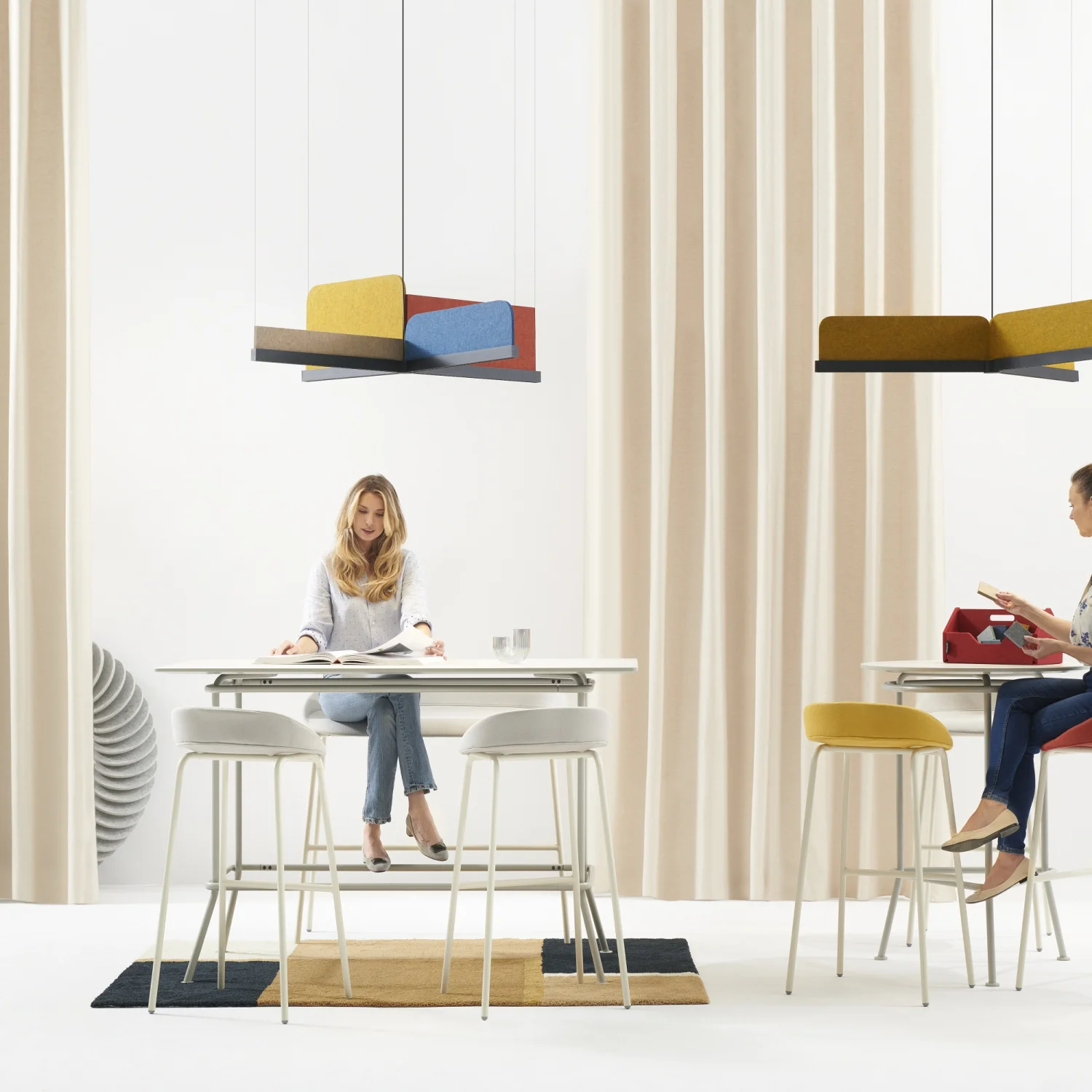
Open-plan offices, while promoting collaboration, often suffer from excessive noise. Acoustic lighting solutions are ingeniously combining illumination with sound absorption, creating more comfortable and productive work environments.
-
The Problem of Noise: Unwanted noise can be a major distraction, leading to decreased concentration, increased stress, and reduced work quality. The average office worker can lose significant time each day due to noise-related interruptions. According to a 2024 report, noise pollution remains a significant challenge in modern workplaces.
-
The Solution: Acoustic lighting fixtures are designed with sound-absorbing materials integrated directly into their structure. These materials, such as felt, PET felt (like ecopet), or specialised fabrics (fabric), effectively capture and dampen sound waves.
-
Types of Acoustic Lighting:
- Ceiling Fixtures: Suspended luminaires that double as sound baffles. These are highly effective in open spaces.
- Wall Panels: Integrated lighting and acoustic panels for perimeter walls or specific zones.
- Desk Lamps: Some desk lamps now incorporate acoustic elements to create a personal sound-damping zone.
-
Benefits:
- Reduced Noise Levels: Significantly improves the acoustic comfort of a space.
- Enhanced Focus and Concentration: Quieter environments allow for deeper work.
- Improved Speech Intelligibility: Makes conversations clearer, reducing the need for people to speak louder.
- Aesthetic Appeal: These fixtures often come in a variety of shapes, colours, and finishes, adding a design element to the office.
-
Product Examples: Flexxica offers a range of acoustic lighting solutions, including those made from recycled PET materials (ecopet) and elegant fabric finishes (felt and fabric). These products demonstrate how functionality and design can be seamlessly merged.
3. Biophilic lighting: connecting with nature indoors
Biophilic design, the practice of incorporating natural elements into built environments, is gaining immense traction. Lighting is a key component in making these spaces feel authentic and restorative.
-
Mimicking Natural Light: This trend involves using lighting to simulate natural light patterns, such as dappled light filtering through leaves or the gradual brightening and dimming of daylight. This can be achieved through advanced LED technology and creative fixture placement.
-
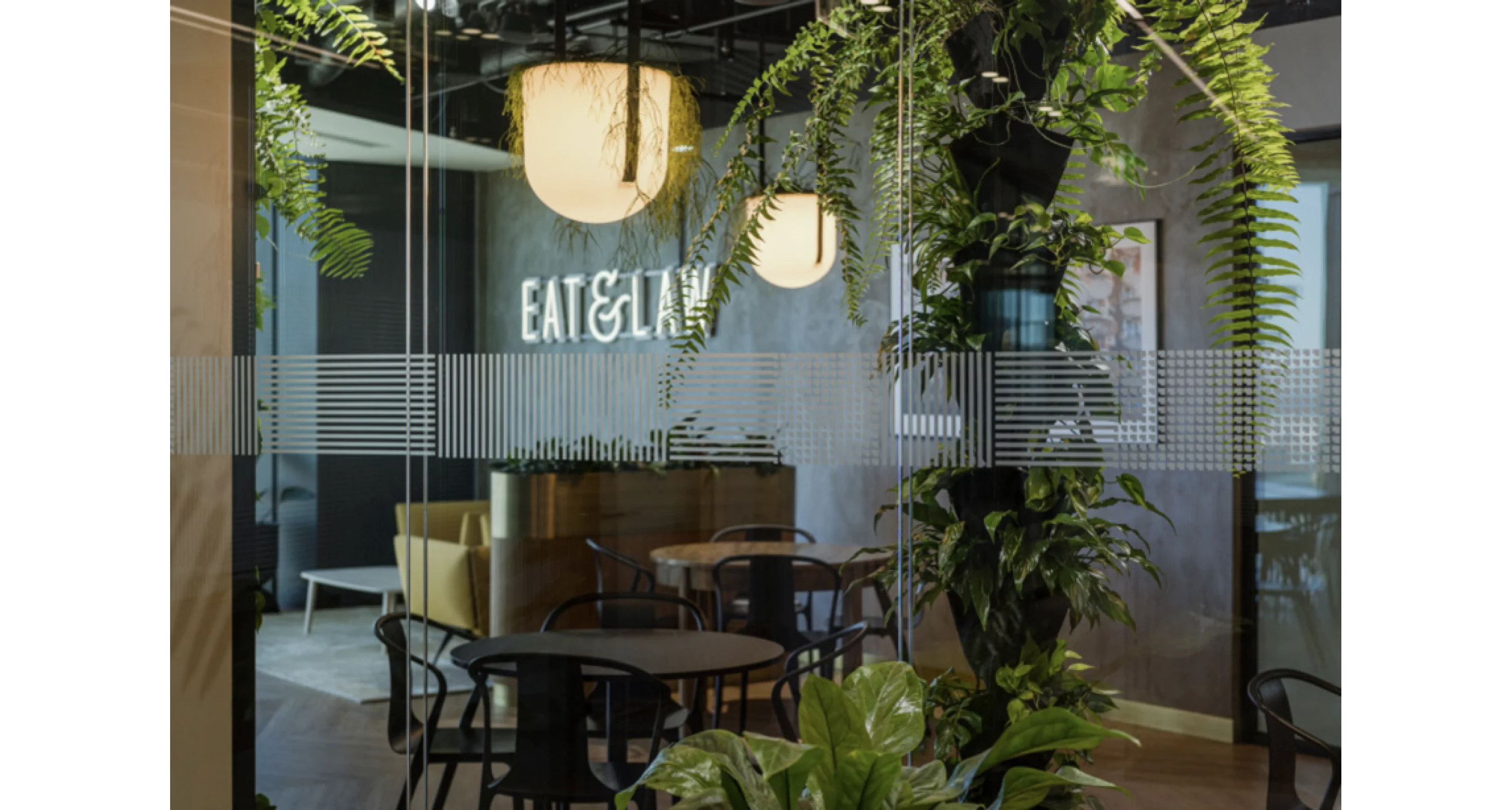
Highlighting Greenery: Lighting can accentuate indoor plants, vertical gardens, and other natural features, making them more prominent and visually appealing. This connection to nature has been shown to reduce stress and improve mood.
-
Creating Ambience: Using warm, natural colour temperatures and dynamic lighting effects can evoke the feeling of being outdoors, even in an urban office setting.
-
Benefits:
- Stress Reduction: Studies, including research highlighted by the Biophilic Institute, consistently show that exposure to nature-inspired elements reduces stress hormones.
- Improved Cognitive Function: Natural elements can enhance creativity and problem-solving abilities.
- Increased Employee Satisfaction: A more pleasant and stimulating environment leads to happier employees.
-
Design Considerations: Integrating biophilic lighting requires careful planning. It might involve using luminaires that cast soft, organic shadows, employing lighting that mimics the colour spectrum of sunlight, or strategically illuminating living walls.
4. Smart and adaptive lighting systems: the intelligent office
The integration of technology is making office lighting more efficient, responsive, and user-friendly than ever before. Smart lighting systems leverage sensors, controls, and connectivity to optimise performance.
-
Key Technologies:
- Occupancy Sensors: Lights automatically turn on when a space is occupied and off when it's empty, saving significant energy.
- Daylight Harvesting: Sensors measure the amount of natural light entering a space and automatically adjust artificial light levels to maintain a consistent illuminance, reducing energy consumption.
- Centralised Control: Building management systems (BMS) or dedicated lighting control platforms allow facility managers to monitor, schedule, and adjust lighting across the entire office remotely.
- User Control: Employees can often personalise lighting in their immediate workspace via smartphone apps or wall-mounted controls, enhancing comfort and productivity.
- Connectivity: Integration with other smart building systems (e.g., HVAC, security) for a holistic approach to building management.
-
Benefits:
- Energy Efficiency: Smart systems can dramatically reduce electricity consumption, leading to lower operational costs and a smaller carbon footprint. The U.S. Department of Energy reports that lighting accounts for a significant share of energy use in commercial buildings, making efficiency crucial.
- Cost Savings: Reduced energy bills and lower maintenance costs (e.g., longer LED lifespan).
- Enhanced User Experience: Personalised control and automated adjustments create a more comfortable and responsive environment.
- Data Insights: Many systems provide data on energy usage and occupancy patterns, which can inform future design and operational decisions.
-
Product Examples: Many modern luminaires, including those in the Flexxica Professional Lighting range, are designed to be compatible with advanced control systems, enabling seamless integration into smart office infrastructure.
5. Statement and architectural lighting: lighting as art
Beyond functionality, lighting is increasingly being used as a bold design statement to define the character of an office space.
-
Unique Fixtures: Instead of generic lighting, offices are opting for striking pendant lights, sculptural wall sconces, and custom-designed installations that act as focal points.
-
Layered Lighting: Combining different types of lighting – ambient, task, and accent – creates depth and visual interest. For example, accent lighting might highlight artwork or architectural features, while task lighting provides focused illumination for workstations.
-
Colour and Texture: The use of colored light or fixtures with interesting textures can add personality and vibrancy to an otherwise functional space.
-
Dynamic and Programmable Lighting: Advanced systems enable dynamic lighting scenes that can change throughout the day or for special events, transforming a space's atmosphere.
-
Benefits:
- Enhanced Aesthetics: Elevates the office's visual appeal, making it a more attractive place to work and visit.
- Brand Reinforcement: Lighting can reinforce a company's brand identity and culture.
- Improved Morale: A well-designed, aesthetically pleasing environment can boost employee morale and creativity.
-
Product Examples: The Flexxica Design Lighting category showcases fixtures designed with aesthetics as a primary consideration, often featuring unique forms and high-quality finishes, making them suitable for statement applications.
Integrating lighting trends for optimal results
The most effective office lighting strategies in 2026 will likely involve a thoughtful combination of these trends.
- Holistic Approach: Consider the entire workspace – from individual workstations to meeting rooms and common areas – and how lighting can serve different functions within each.
- Flexibility is Key: Spaces are becoming more dynamic, with employees moving between focused work, collaborative sessions, and informal meetings. Lighting should adapt to these changing needs.
- Balance Technology and Human Needs: While smart systems offer efficiency, the ultimate goal is to create a comfortable and productive environment for people. Ensure technology serves human well-being.
- Consultation is Crucial: Working with lighting designers and architects can ensure that the chosen solutions are not only aesthetically pleasing but also meet technical requirements for light levels, colour rendering, and energy efficiency.
The impact of lighting on employee performance and well-being is undeniable. By embracing these innovative trends, businesses can create workspaces that are not only visually appealing but also fundamentally enhance their teams' health, happiness, and productivity in 2027 and beyond.
Frequently Asked Questions (FAQs)
What is Human-Centric Lighting (HCL) and why is it important for offices?
Human-Centric Lighting (HCL) is an approach to lighting design that aims to mimic the natural patterns of daylight. It involves dynamically adjusting the colour temperature and intensity of artificial light throughout the day to align with our body's natural circadian rhythms. This is important for offices because it can improve alertness, focus, mood, and sleep quality among employees, ultimately boosting productivity and well-being.
How do acoustic lighting solutions work to reduce noise in offices?
Acoustic lighting fixtures incorporate sound-absorbing materials, such as PET felt, fabric, or specialised acoustic panels, directly into their design. These materials effectively absorb sound waves that would otherwise bounce off hard surfaces, thereby reducing overall noise levels and reverberation within a space. This creates a quieter and more comfortable environment conducive to concentration.
Can smart lighting systems truly save on energy costs?
Yes, smart lighting systems can lead to significant energy savings. They utilise technologies such as occupancy sensors (turning off lights when rooms are empty) and daylight harvesting (dimming artificial lights when natural light is sufficient). Centralised control also allows for optimised scheduling and monitoring. These features collectively reduce electricity consumption compared to traditional, always-on lighting systems.
What is the role of biophilic design in office lighting?
Biophilic lighting design focuses on connecting the indoor workspace with nature. This can involve using lighting to simulate natural light effects (like dappled sunlight), illuminating indoor plants or living walls, and employing warm, natural colour temperatures. The goal is to create a more restorative, less stressful, and more inspiring environment by bringing elements of the natural world indoors through light.
How can statement lighting improve an office's atmosphere?
Statement lighting uses unique, visually striking fixtures or custom installations to serve as a design focal point. It goes beyond basic illumination to enhance the office's aesthetics, reflect brand identity, and create a more engaging atmosphere. Layered lighting approaches, combining ambient, task, and accent lighting, can add depth and visual interest, making the workspace more dynamic and appealing, which can positively impact employee morale and creativity.
What are the main benefits of integrating lighting with acoustic solutions?
The primary benefit is a dual improvement in the office environment. You gain both better lighting quality and reduced noise pollution from a single integrated solution. This leads to enhanced focus, reduced distractions, improved speech intelligibility, and a more comfortable overall workspace. Furthermore, it offers aesthetic advantages by combining two essential elements of interior design into one cohesive fixture.
More news
See all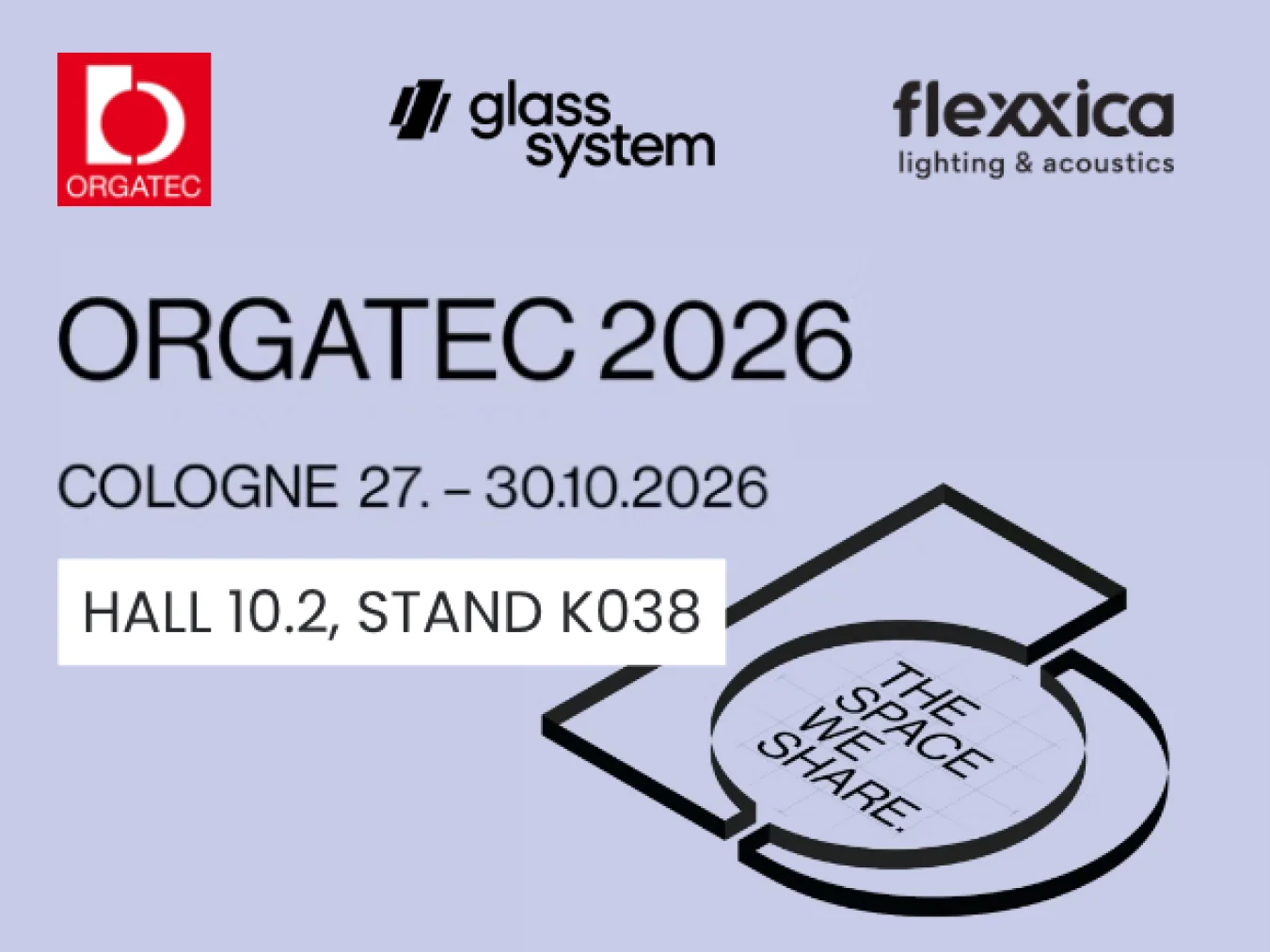
flexxica at ORGATEC 2026
See flexxica products at ORGATEC 2026, taking place from October 27–30, 2026, at the Koelnmesse trade fair centre in Cologne, at the Glass System stand.
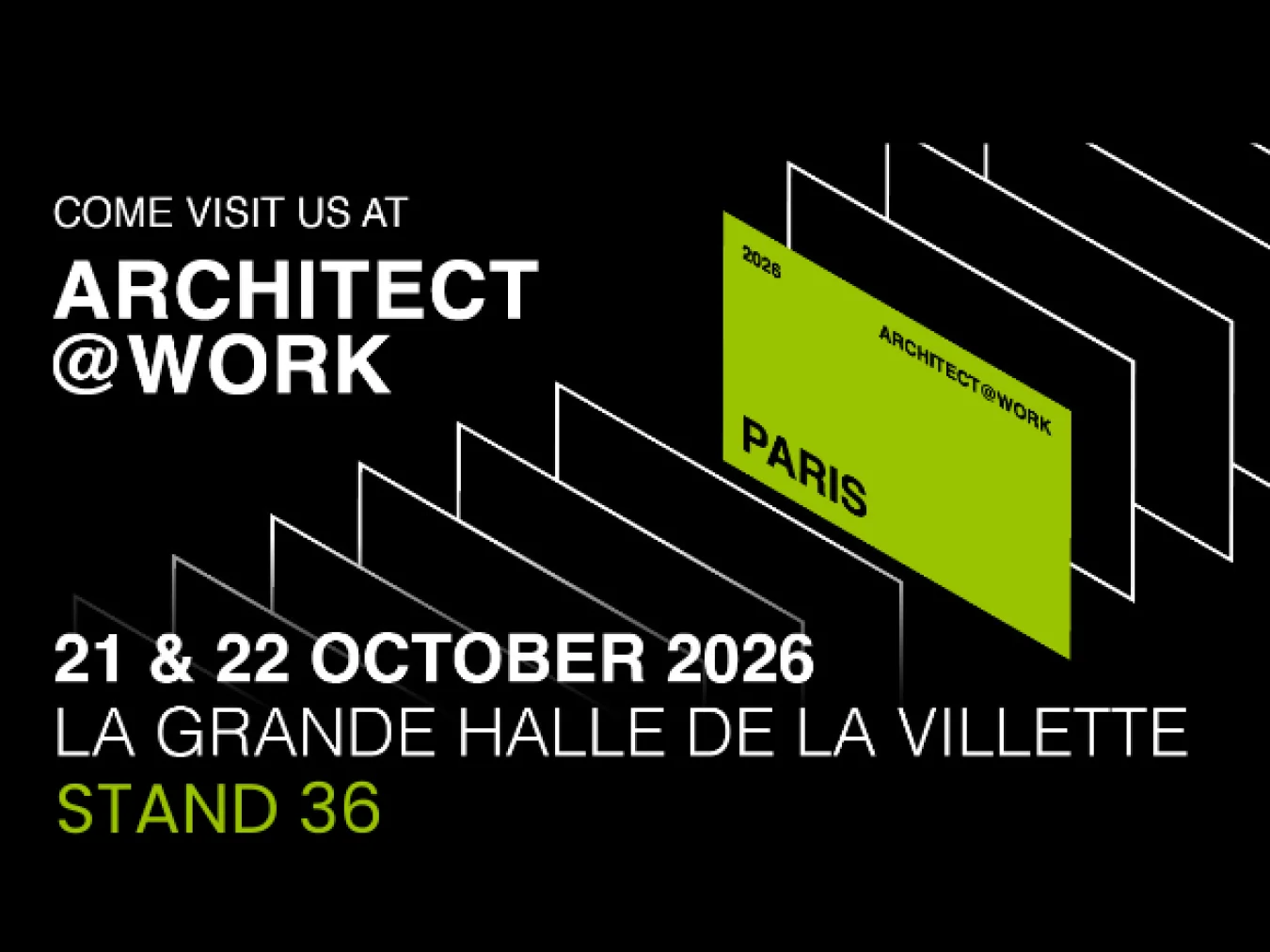
flexxica at Architect@Work Paris 2026
flexxica will be exhibiting at Architect@Work Paris on 21–22 October 2026 at the Grande Halle de la Villette. Come and see our acoustic lighting solutions in person.


