


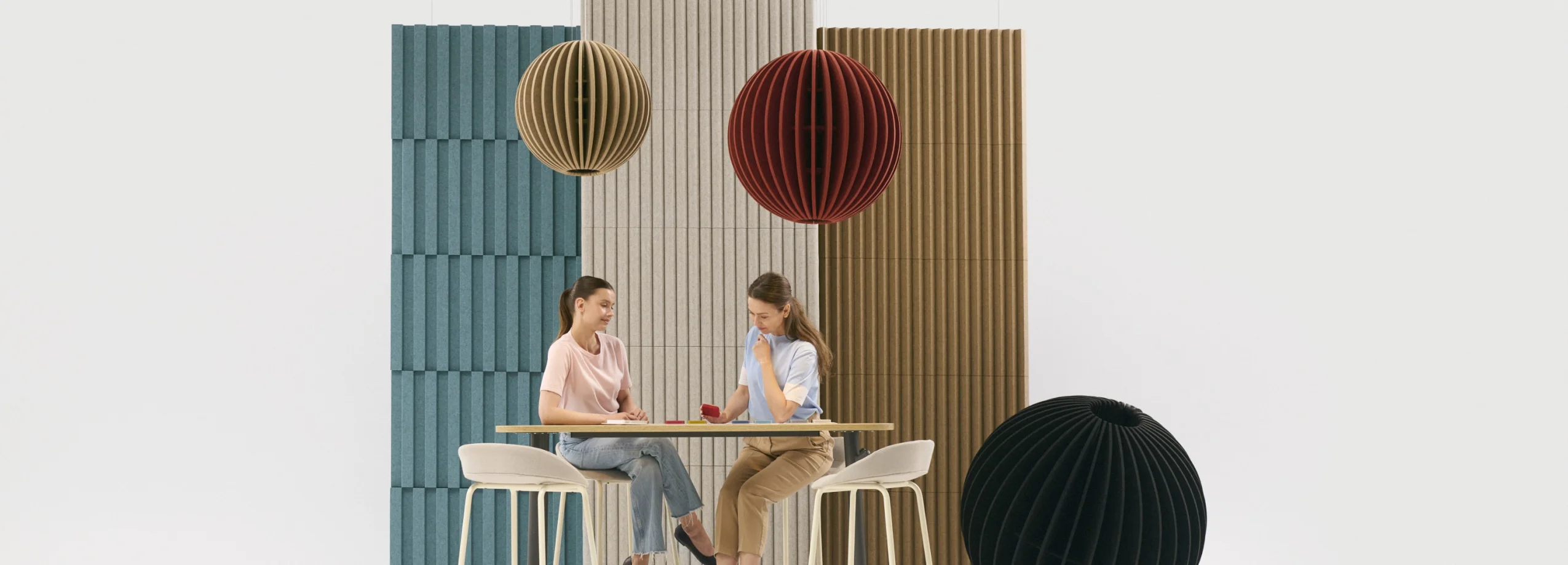
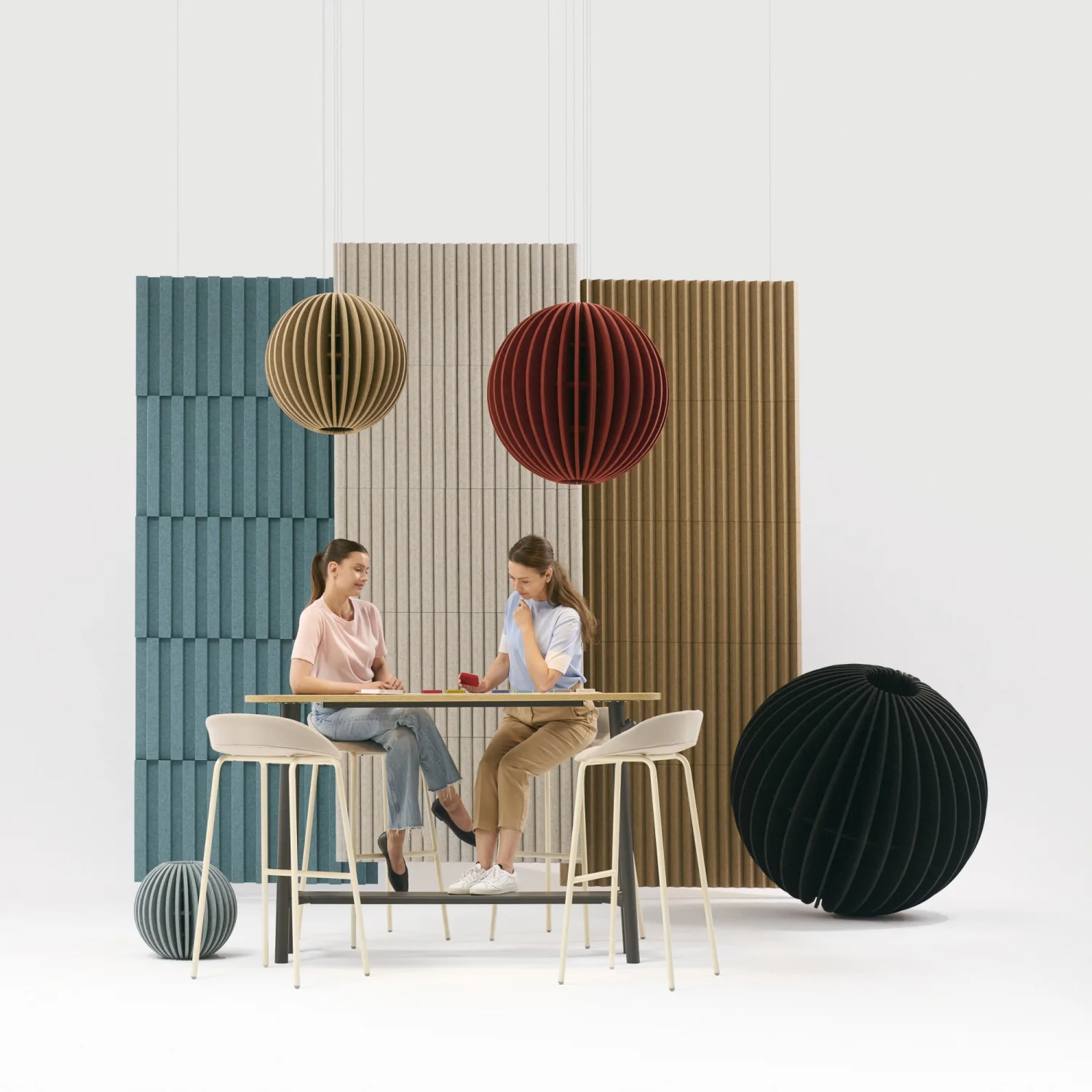
7 powerful ways how acoustic pendant lamps improve sound comfort in open-plan offices
Understanding the acoustic challenges of open-plan offices
Modern workplaces increasingly favour open-plan layouts because they encourage collaboration, flexibility, and efficient use of space. However, while open offices can foster teamwork and communication, they often introduce a significant challenge: excessive noise. Conversations, phone calls, keyboard clicks, and general workplace activity can create a distracting environment that negatively affects employee concentration, productivity, and well-being.
One of the most overlooked aspects of open-plan office acoustics is reverberation, the persistence of sound after it is produced. Hard surfaces such as concrete ceilings, glass partitions, and polished floors reflect sound waves, causing noise to travel throughout the space. As a result, employees may struggle to focus, experience higher stress levels, and find communication more difficult.
An increasingly popular solution is the acoustic pendant lamp. Unlike traditional lighting fixtures, acoustic pendant lamps combine illumination with sound-absorbing materials, helping organisations address lighting and acoustic challenges simultaneously. These innovative fixtures provide both aesthetic appeal and practical benefits, making them a valuable component of modern office design.
In this article, we explore the causes of noise problems in open offices, explain how sound-absorbing pendant light solutions work, and examine their role in effective office noise reduction strategies.
The acoustic challenges of open-plan offices
-
Why open offices often become noisy
The absence of physical partitions means that every telephone conversation, keyboard click, and casual meeting propagates freely across the floor plate. In an untreated space, these disparate sounds mix, elevating the baseline noise floor and forcing employees to speak louder to be heard, which only worsens the problem.
-
The impact of noise on employee performance
Continuous exposure to background chatter imposes cognitive load that rapidly depletes mental energy, reduces productivity, and elevates stress metrics. From an architectural psychology standpoint, when workers lose control over their auditory privacy, their overall job satisfaction and well-being plummet significantly.
-
What is reverberation, and why does it matter
Reverberation is the prolonged persistence of sound within an enclosed space caused by repeated reflections off hard, non-porous boundaries. In physical terms, the reverberation time is governed by Sabine's formula:
RT60 = 0.161 V/A
where V represents the total volume of the room, and A represents the total equivalent absorption area. When an office features extensive glazing, polished concrete floors, and gypsum board walls, the total absorption metric remains dangerously low, causing sound waves to bounce around long after their source has stopped emitting them. This muddy acoustic environment drastically reduces speech clarity and increases fatigue.
7 powerful ways acoustic pendant lamps improve sound comfort
1. Interception of vertical sound reflections
Suspended directly in the path of rising sound waves, acoustic pendant lamps capture acoustic energy before it can strike the hard ceiling and bounce back down into the workspace. By placing dense, porous barriers, such as compressed pet felt, directly above the sound source, we truncate the primary reflection paths, thereby significantly reducing the overall reverberation time in the immediate micro-environment.
2. Localised sound absorption at the source of speech
The most effective way to manage acoustics is to address the noise at its source, which is exactly what happens when lamps are hung directly over desks and conference tables. These fixtures act as immediate acoustic sponges, absorbing the mid-frequency wavelengths characteristic of human speech before those sounds can propagate across the wider office landscape.
3. Creation of distinct acoustic islands
By grouping large-format acoustic fixtures over specific furniture clusters, designers can establish micro-zoning, essentially building invisible acoustic sanctuaries without erecting physical walls. This strategic layout creates localised pockets where the sound absorption coefficient, denoted as $\alpha$, is exceptionally high, allowing teams to collaborate dynamically while keeping neighbouring focus zones peaceful.
4. Introduction of highly porous sound-absorbing materials
Many premium fixtures, such as the innovative lineups from flexxica, utilise engineered PET felt and multi-layered foam composites that excel at turning kinetic sound energy into harmless thermal energy. These materials boast a high noise-reduction coefficient, allowing a single sculptural design element to perform the heavy lifting of a traditional industrial acoustic baffle.
5. Diffusion and breaking up of horizontal sound waves
The physical geometry of volumetric pendant lamps, such as dome-shaped or cylindrical profiles, plays a critical role in breaking up and scattering sound waves that travel horizontally across an open floor plate. Instead of allowing sound waves to propagate as clean, coherent fronts, the varied surfaces of these lamps diffuse the energy, causing it to dissipate much faster throughout the room.
6. Compensation for minimal floor and wall treatments
Modern interior design trends often favour clean, minimalist aesthetics with bare walls and hard floor finishes, leaving little to no room for traditional acoustic treatments like heavy carpeting or wall panels. Suspending acoustic lighting allows designers to introduce substantial sound-absorbing surface area into the room's upper volume, preserving the clean architectural lines of the floor and walls below.
7. Psychological calming through visual masking and scale reduction
Beyond the measurable physics of sound, large-scale acoustic lamps help lower the perceived height of high ceilings, making vast, intimidating open areas feel more intimate and grounded. This visual grounding has a subtle psychological effect on behaviour, as employees naturally lower their speaking volume when working under a cosy, well-defined canopy of soft texture and warm light.
Integrating fixtures into a layered acoustic strategy
| Acoustic solution | Primary architectural function | Performance impact |
| acoustic pendant lamps | targeted local absorption and functional task lighting | exceptional mid-frequency speech attenuation |
| wall-mounted panels | reducing flutter echoes along long horizontal perimeters | controls lateral sound bouncing |
| carpet tile flooring | minimising the impact of noise from foot traffic | dampens structural and floor-level sounds |
| desk-mounted screens | providing immediate visual and acoustic boundaries | limits direct line-of-sight sound travel |
"A truly successful architectural project does not force a choice between visual beauty and physical comfort; the introduction of multi-functional acoustic lighting proves that high design and rigorous acoustic science can exist in perfect harmony."
Architectural spotlight on flexxica acoustic lighting
Alpha Duo
The Alpha Duo fixture represents a masterful balance of linear architectural lighting and geometric acoustic surfaces, making it an exceptional choice for modern workstations. Its dual-panel configuration maximises the available surface area for sound absorption while delivering precise, low-glare illumination to the work surfaces below.
Bell
With its iconic dome shape, the Bell lamp model provides a protective acoustic shell that captures rising voice frequencies with remarkable efficiency. This organic silhouette works beautifully over round collaborative tables or informal lounge areas, trapping sound waves within its deeply recessed cavity to foster more intimate communication.
Linea
The sleek, elongated profile of the Linea fixture is specifically optimised for boardroom tables and continuous linear desk configurations. It provides an elegant, uninterrupted plane of light coupled with high-density acoustic materials that mitigate the echo often found in long, glass-walled meeting rooms.
Globe
Introducing a soft, spherical geometry to the workspace, the Globe lamp model acts as a highly effective omnidirectional acoustic diffuser and absorber. Its unique form adds a playful, biophilic element to the interior layout while simultaneously scattering sound reflections in multi-directional patterns to soften the room's overall acoustic profile.
Selecting and placing the right fixtures
When specifying acoustic pendant lamps, it is vital to analyse both the photometrics and the acoustic testing data, specifically looking for the total equivalent absorption area per object. Designers must calculate the required fixture density based on the total room volume and existing hard surfaces to ensure the target reverberation time is met.
Placement is equally critical; lamps should be suspended at a height that optimises both the light distribution cone and the proximity to the human mouth. Hanging a high-performance fixture too close to a high ceiling minimises its localised acoustic benefits, whereas suspending it closer to the breathing zone ensures maximum interception of vocal energy.
Frequently asked questions
What is an acoustic pendant lamp?
An acoustic pendant lamp is a suspended lighting fixture that incorporates sound-absorbing materials to reduce reverberation and improve acoustic comfort.
How do sound-absorbing pendant lights work?
They absorb sound waves using specialised acoustic materials, reducing reflections and lowering reverberation levels.
Are acoustic pendant lamps effective in open offices?
Yes. They are particularly effective in open-plan environments where sound reflections contribute to excessive noise.
Can acoustic lighting replace acoustic panels?
Not entirely. Acoustic lamps work best as part of a comprehensive acoustic strategy that may also include wall panels and ceiling treatments.
Where should acoustic pendant lamps be installed?
They are most effective above workstations, meeting tables, collaboration zones, and reception areas.
Do acoustic pendant lamps improve employee productivity?
By reducing distractions and improving sound comfort, they can support better concentration and workplace performance.
Are acoustic office lamps environmentally friendly?
Many models use recycled materials and support sustainable interior design initiatives.
Which flexxica acoustic office lamp should I choose?
The choice depends on workspace layout, acoustic goals, and design preferences. Alpha Duo, Bell, Linea, and Globe each offer unique advantages for different office environments.
What makes an acoustic lamp different from a standard light fixture?
A standard fixture features hard metal, glass, or plastic surfaces that reflect sound waves back into the room, compounding noise issues. An acoustic lamp is engineered with specialised, porous materials such as pet felt that actively absorb sound energy, converting it into heat and reducing the room's total reverberation time.
Can these fixtures completely eliminate the need for other acoustic materials?
While acoustic pendant lamps are incredibly efficient at localised sound control, they are most effective when deployed as part of a comprehensive, layered acoustic strategy. For optimal results, they should be combined with other treatments, such as carpet tiles, soft furniture, and wall panels, to address sound reflections from all angles.
How to determine how many acoustic lamps my office needs?
The ideal number of fixtures depends on the overall volume of the office, the amount of existing hard materials, and the target reverberation time you want to hit. A professional acoustician or designer can calculate this requirement.
Managing the acoustic landscape of an open-plan office requires a thoughtful, multi-disciplinary approach that blends physics with interior architecture. Acoustic pendant lamps offer an elegant, dual-purpose solution that resolves the tension between minimalist aesthetics and acoustic reality. By utilising engineered solutions such as those developed by flexxica, we can design spaces that are not only visually stunning but also quiet, supportive, and conducive to deep human focus.
For more information on integrating professional acoustic lighting into your next project, you can explore the technical data and design options at flexxica.com.
More news
See all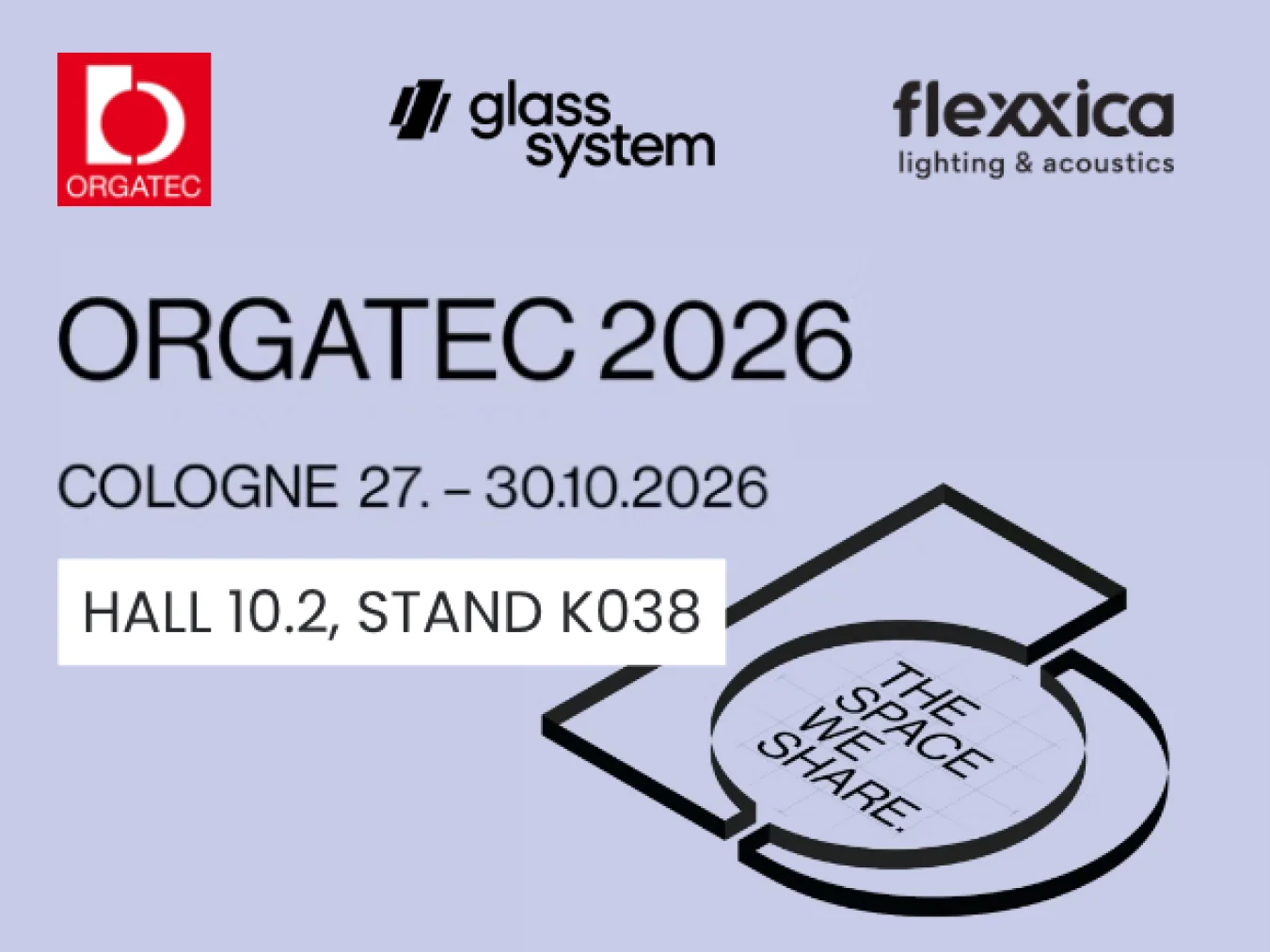
flexxica at ORGATEC 2026
See flexxica products at ORGATEC 2026, taking place from October 27–30, 2026, at the Koelnmesse trade fair centre in Cologne, at the Glass System stand.
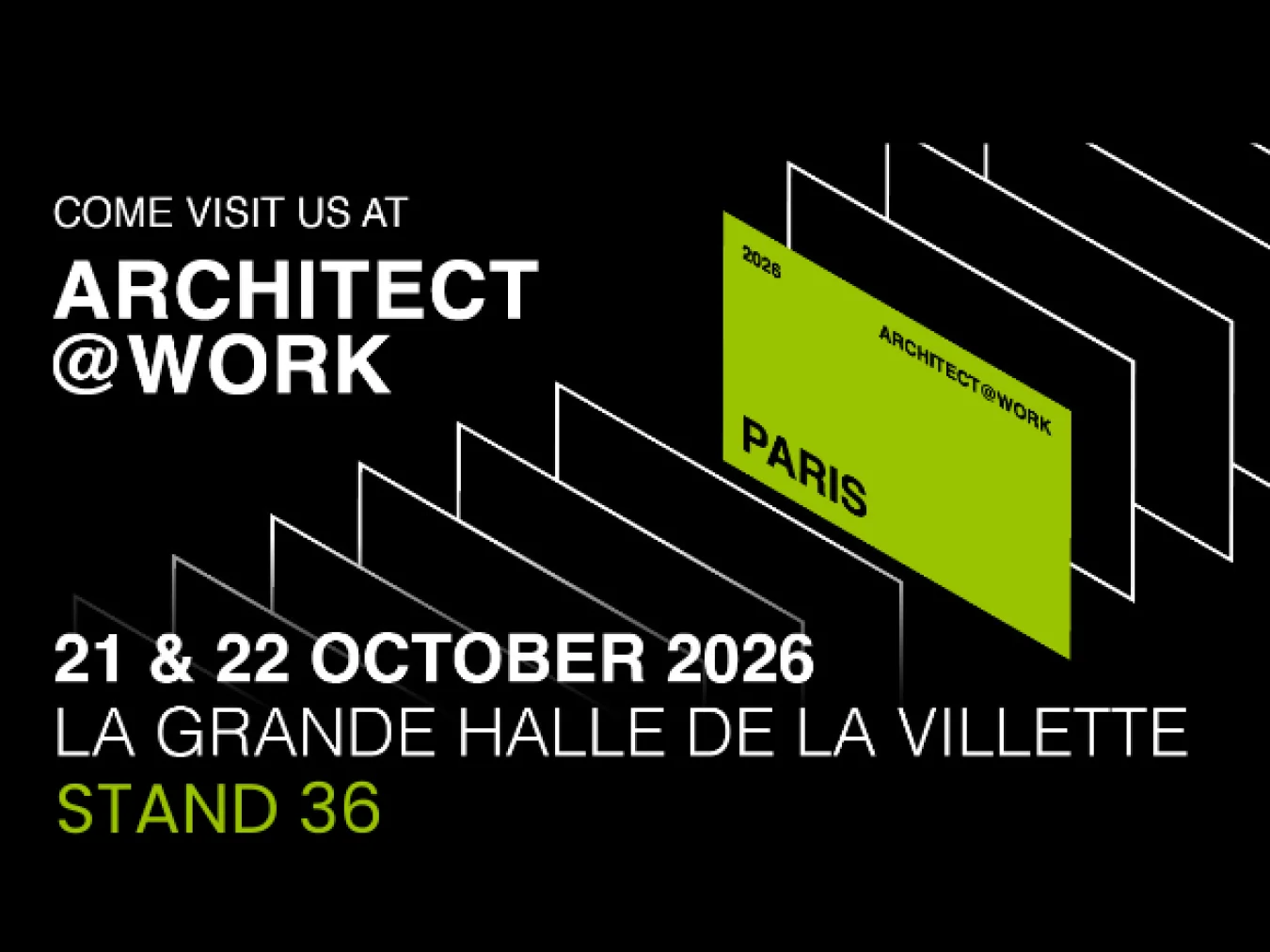
flexxica at Architect@Work Paris 2026
flexxica will be exhibiting at Architect@Work Paris on 21–22 October 2026 at the Grande Halle de la Villette. Come and see our acoustic lighting solutions in person.


