



LED technology in office lighting: a guide to energy efficiency
How LED office lighting revolutionizes energy efficiency, reduces costs, and boosts workplace productivity while offering sustainable, durable, and customizable illumination solutions.
Office lighting has come a long way since the days of fluorescent tubes and halogen lights. Now, we have advanced lighting systems that perfectly mimic natural light.
One of the biggest breakthroughs in office lighting was the introduction of LED technology. Not only can LEDs illuminate workspaces more effectively, but they also offer a myriad of other benefits.
With the ability to mimic natural daylight and emit optimal colour temperatures, it's no wonder that LEDs are becoming the go-to solution for many office spaces.
So, what exactly makes LED office lighting the ideal choice for modern commercial spaces?
What is LED technology?
LED — or Light Emitting Diode — technology involves the use of semiconductor devices that emit light when an electric current passes through them.
Unlike incandescent lamps, which rely on heating filament to produce light, LEDs convert electricity directly into illumination, making them far more efficient. This efficient lighting form emits brighter light while consuming less power, resulting in energy savings.
The beauty of LED technology lies in its versatility.
Whether you need a desk lamp that offers cool white light to keep you alert or pendant lights with variable colour temperatures to reduce headaches and eye strain, LEDs have got you covered.
Offering a wide range of options from the 2700 to the 6500 Kelvin, LEDs provide high-quality illumination suitable for any workspace.
Remember when poor lighting used to cause migraines at work? Those days are almost over, thanks to LEDs.
Energy efficiency of LED lighting
We mentioned the energy-efficient nature of LED lighting — it is one of its most celebrated benefits.
How does it achieve such efficiency? Two things.
LEDs convert a greater proportion of electricity into light. In contrast, older lighting technologies like incandescent or halogen consume more power and convert much of it into heat. This means they are less efficient and can also warm up the office space unnecessarily.
On top of that, LEDs reduce your carbon footprint. While traditional office lighting systems often work harder than they should, LEDs deliver the desired light output while consuming less power. It helps create a more comfortable working environment without disturbing employees.
Financial benefits of switching to LED lighting
Switching to LED lighting doesn't just promise better illumination — it also pays off financially. While the initial investment may seem costlier than older lamp technologies, the savings in the long run are undeniable.
Lower electricity bills are just the beginning. With LEDs consuming less power, businesses can enjoy reduced operational costs over time.
Additionally, lighting with LED technology reduces maintenance costs. LEDs have a longer lifespan, meaning fewer replacements and less hassle, not to mention reduced downtime. It translates into saving both money and time — resources any office would welcome more of!
For companies looking for ways to enhance office productivity and boost financial well-being, the switch to LED office lighting would be a move many would recommend.
If you're still on the fence, take a look at these three benefits of installing LED lighting in offices.
Lower operating costs
One of the most attractive features of LED lighting is its potential to lower operating costs.
The average LED lamp lasts longer than its incandescent or fluorescent counterparts, some reaching up to 100,000 hours. That's years of bright, flicker-free illumination, reducing the need for frequent replacements.
Beyond longevity, LEDs offer peace of mind with consistent quality. The stability of LED lighting systems reduces maintenance downtime and costs, making them especially beneficial for large commercial spaces.
When you reduce electricity usage and service interruptions, there's a noticeable impact on operational costs.
Durability and longevity
LEDs are incredibly durable. Unlike older bulbs that rely on fragile filaments, LEDs are more robust against physical impacts.
At the same time, their construction lacks those toxic materials like mercury. The recyclable nature of LEDs means less waste, making this lighting option a smart choice for sustainable practices.
Government incentives
Many governments encourage the switch to LED technology through financial incentives. Businesses opting for LED office lighting can often get financial support, reducing the initial investment burden.
These incentives can come in various forms, like subsidies for implementing energy-efficient lighting solutions for offices or tax breaks for upgrading to a lighting system with lower emissions and consumption.
Taking advantage of these offers can further reduce the time it takes to recoup the initial LED installation costs.
Design flexibility and customisation with LEDs
Beyond efficiency and financial savings, LEDs offer a world of design options. From pendants casting symmetrical illumination to panels that diffuse glare evenly across spaces, the possibilities are vast.
Combined with various acoustic solutions, such as acoustic lighting, it can be just what you need to make your office a much more pleasant space.
LEDs fulfil almost every requirement. Work with specialists and try different designs to discover the solution that best suits your needs.
Implementing LED lighting in your office
Implementing LED lighting in your office can be a game changer. Still, you can't just implement a few random solutions and call it a day.
Starting with a comprehensive audit of existing lighting is a good idea. It can help you determine the best way to make the shift to LEDs.
Collaboration with lighting experts can pinpoint where illumination can be improved to boost office productivity. Strategically positioning lights can enhance natural daylight without causing additional glare.
Tailoring the installation process is also crucial. Take into account factors like how quickly lights reach optimal brightness or if dimming features are required.
Curating an energy-efficient workspace is easier when the whole picture is considered.
How Flexxica can help?
At Flexxica, we understand the nuances of lighting in office spaces. Our expert advice can guide you in selecting the right lighting system, keeping employee comfort and the office's aesthetic forefront.
As experienced lighting installers, we provide solutions tailored to individual needs, ensuring the switch to an energy-efficient system is as smooth as possible. Check out our previous work to see what we can offer for your business.
Our team is always ready to engineer bespoke lighting solutions for commercial spaces, reducing emissions without compromising brightness or quality.
Contact us today, and let our experience help you create efficient, comfortable office lighting.
Conclusion
The rise of LED technology in office lighting was a true revolution, delivering improved efficiency, productivity, and sustainability.
From slashing energy bills to reducing maintenance woes, LEDs present benefits that go beyond mere illumination. As businesses strive to keep employees alert and reduce eye strain, the role of efficient lighting becomes crucial.
In this modern age, leaning into LED innovation could prove to be one of the best decisions for your office space.
FAQ
How do I know which LED colour temperature suits my office?
Choosing the right colour temperature depends on the tasks performed and the desired ambience. Warm tones like 2700K offer a relaxed atmosphere, whereas cool whites around 4000K promote alertness and are ideal for focused work environments.
Are LEDs harmful to the eyes after prolonged use?
Most high-quality LEDs are engineered to be flicker-free. As a result, they can reduce the risk associated with eye strain compared to other lighting forms. Ensure optimal brightness and proper fixture positioning to mitigate discomfort.
Can LEDs be integrated with smart office systems?
Absolutely! Many LED solutions now sync with smart systems to allow remote control, automation, and schedule programming, further enhancing convenience and customisation.
Is LED lighting suitable for all areas of an office?
Yes, LED lighting forms are versatile enough to be used in various parts of an office, including workstations, meeting rooms, rest areas, and even warehouses, offering luminosity tailored to each space's needs.
More news
See all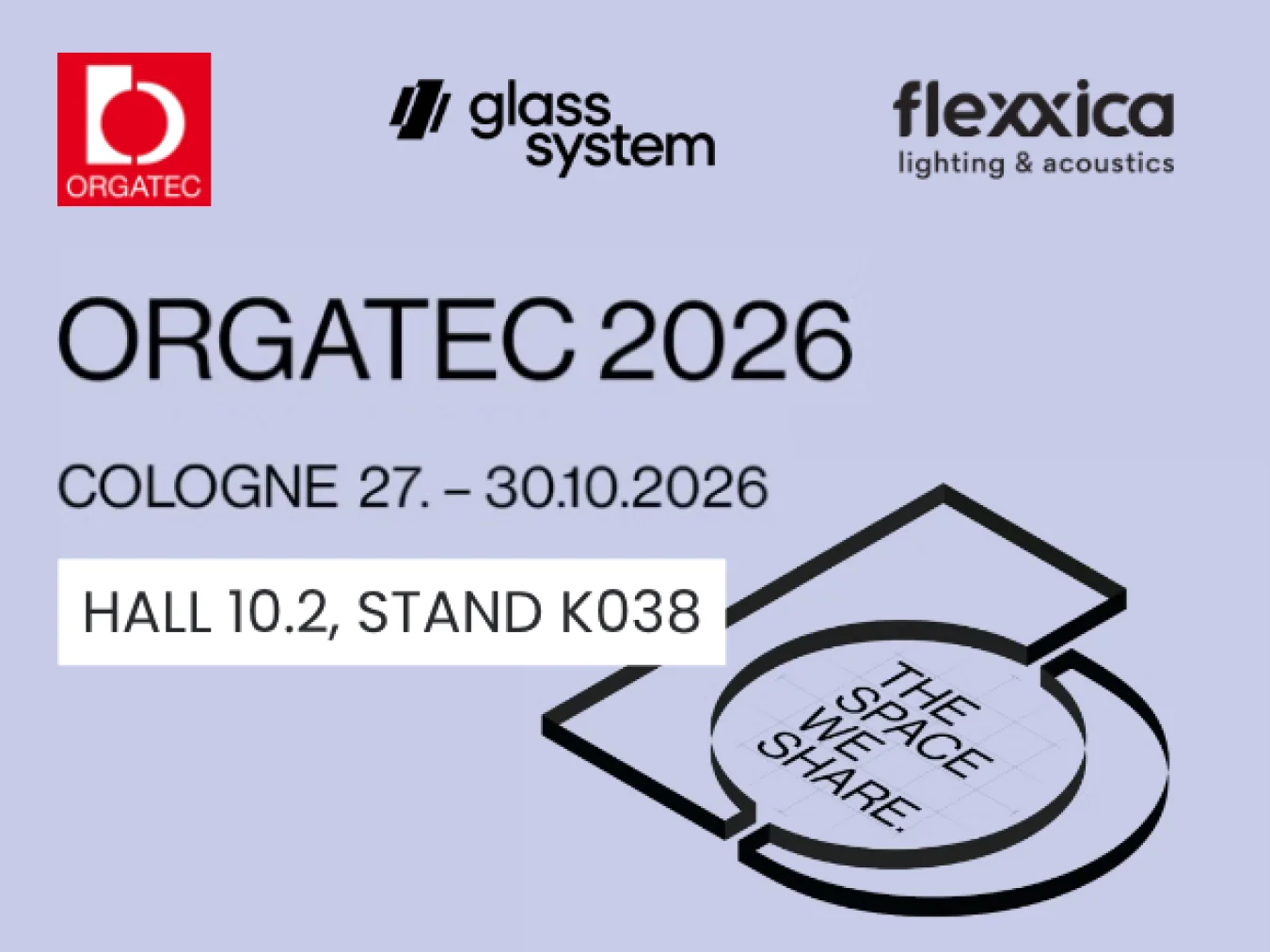
flexxica at ORGATEC 2026
See flexxica products at ORGATEC 2026, taking place from October 27–30, 2026, at the Koelnmesse trade fair centre in Cologne, at the Glass System stand.
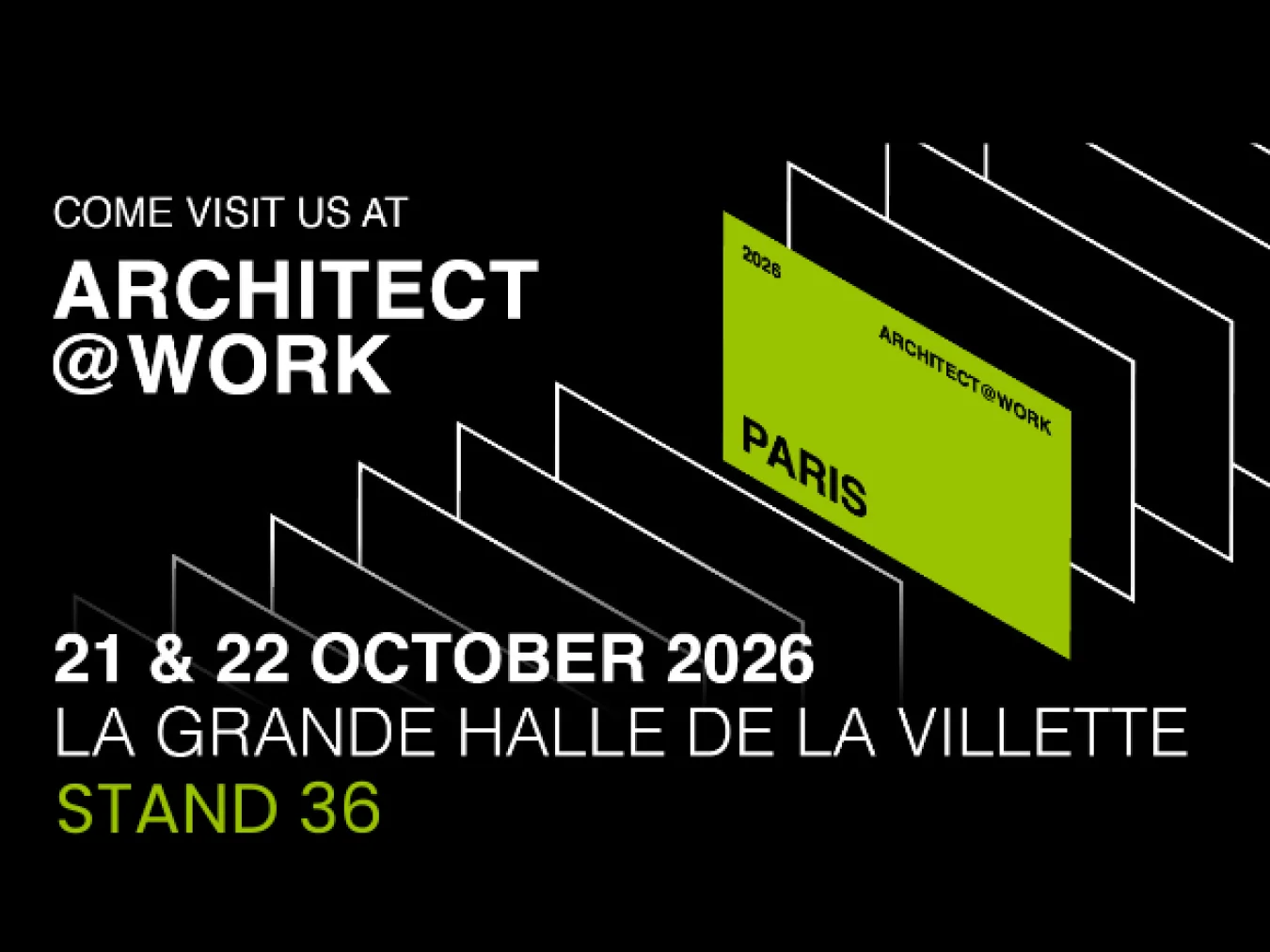
flexxica at Architect@Work Paris 2026
flexxica will be exhibiting at Architect@Work Paris on 21–22 October 2026 at the Grande Halle de la Villette. Come and see our acoustic lighting solutions in person.


