


What is Human-Centric Lighting and why your office needs it
Learn how Human-Centric Lighting can transform your office by boosting productivity, enhancing well-being, and improving sleep cycles—lighting that works with you, not just for you.
Have you ever walked into your office on a dreary Monday morning and wished the lighting could do a bit more than just illuminate your desk?
The right lighting affects not only how you see the world but also how you feel and perform.
Let's see how it can transform your office space.
What is Human-Centric Lighting?
Human-centric lighting, often abbreviated as HCL, is a lighting system designed to enhance well-being and performance by aligning lighting with human biological and emotional needs. It combines both daylight and artificial sources to maintain the right light at the right time.
The idea is pretty straightforward — use the power of light to improve various aspects of our lives. Scientific studies have shown that light impacts us far beyond vision, affecting our emotional and biological rhythms.
With options like tunable white light and dynamic lighting systems, HCL aims to enhance visual comfort and working conditions. By adopting this approach, offices can simulate different times of day, helping employees stay alert and focused throughout their workday.
In offices with limited access to natural light, HCL becomes especially important. It helps mimic the natural daylight cycles, reducing fatigue and boosting concentration.
Benefits of Human-Centric Lighting in the office
Human-centric lighting (HCL) is a science-backed approach to improving our daily lives. From jump-starting your brain like a cup of coffee to tucking you in with warm ambience at the end of the day, HCL is like the light therapist you never knew you needed.
In offices, HCL proves invaluable. Here's how HCL transforms workplaces:
| Benefit | Description |
| Improves Mood | Adjusting colour temperatures can help improve mood and reduce stress levels. |
| Increases Productivity | Proper lighting reduces eye strain and fatigue, leading to increased work efficiency. |
| Enhances Sleep | Evening light settings mimic sunset hues, aiding in better sleep cycles. |
Improved mood and well-being
Human-centric lighting supports not just your sight but also your outlook on life. Scientific studies have shown that the right light boosts endorphin levels, promoting a positive mood.
Whether you're feeling blue or need a little pick-me-up after lunch, adjusting the lighting can make all the difference. It encourages hormonal changes that help regulate mood, reduce stress levels, and alleviate anxiety.
Studies show that adequate light affects the production of hormones such as serotonin (which improves mood) and melatonin (which regulates sleep), leading to improved mood and reduced stress.
Ordinary office lighting often neglects these non-visual effects of light.
When the light quality matches the ambience required by the human body, people react positively. The right lighting supports both our biological rhythms and emotional well-being.
Enhanced productivity
If you've ever noticed a dip in your ability to concentrate during certain hours, you're not alone. Traditional office lighting usually doesn't meet our biological needs throughout the day.
By implementing HCL, offices create an optimised working environment. Proper lighting reduces eye strain, enhances concentration, and allows for better focus on tasks, boosting productivity.
With a lighting design attuned to the circadian rhythm, everyone can complete their tasks more efficiently. Lighting control helps tune light dynamically, offering an optimal environment for diverse tasks and activities.
This kind of smart lighting harnesses LEDs connected via a DALI (Digital Addressable Lighting Interface) control system for flexible customisation according to specific requirements at designated times.
Better sleep cycles
As we've already established, aligning office lighting with natural light cycles helps maintain regular sleep patterns and circadian rhythm.
Proper lighting affects the production of melatonin, the hormone that regulates sleep. This can enhance sleep quality and reduce the risk of disorders linked to an incorrect sleep cycle.
When exposed to the right light, employees are less prone to experience burnout or a lack of rest.
The lighting system can seamlessly transition from cool, white light in the morning to warmer tones towards the end of the workday, replicating the natural decline of daylight.
This lighting helps balance melatonin production, improving the overall quality of sleep.
Implementing Human-Centric Lighting in the workplace
Integrating human-centric lighting into your office doesn't require magic — just a tad of planning and investment.
First, analyse existing lighting conditions and how they correspond with natural light. Consider how modern luminaires and smart lighting systems that offer tunable white light will fit the space.
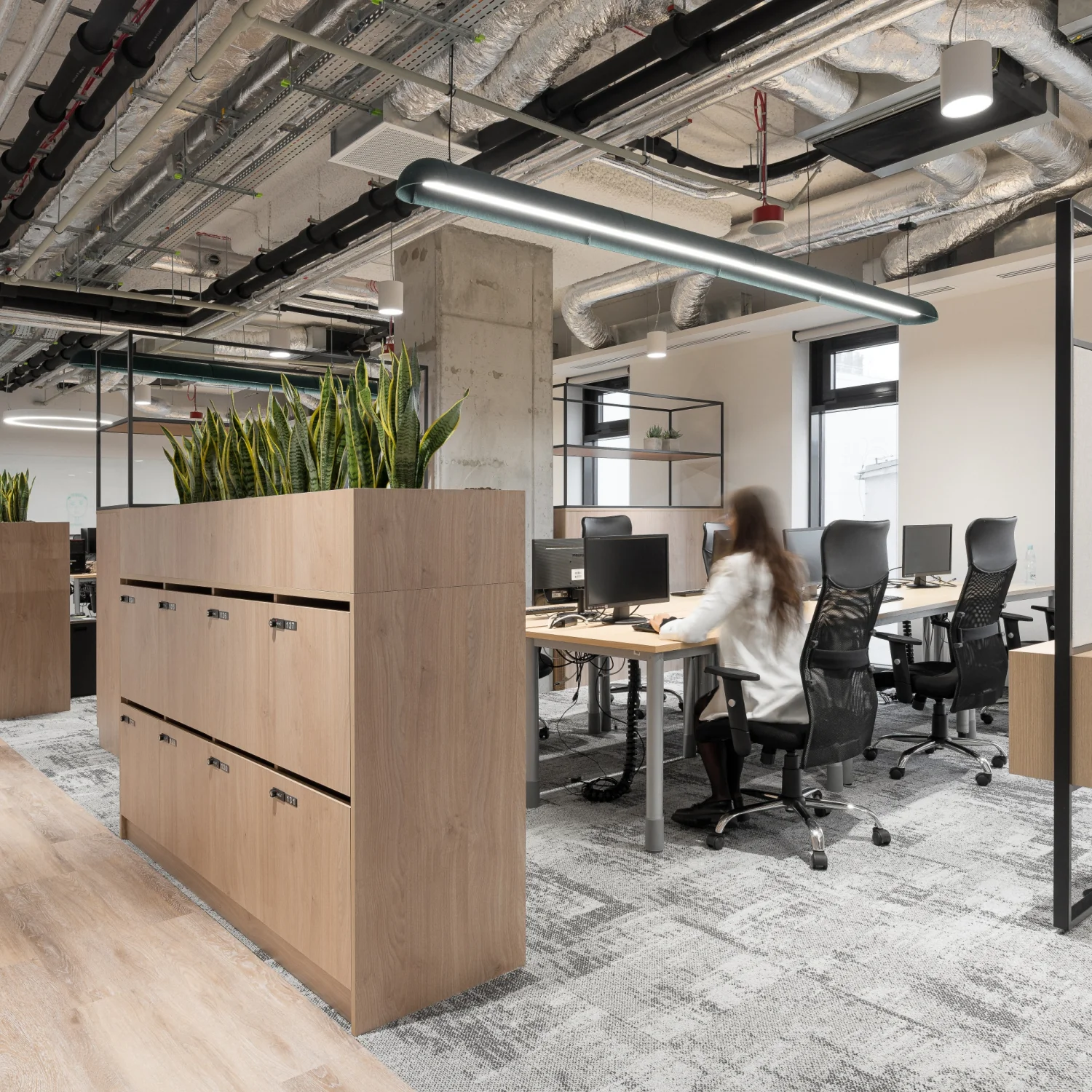
Another good option to consider is acoustic lighting. Acoustic lighting from natural felt, for example, combines excellent acoustic and thermal insulation properties without losing anything in terms of light quality.
If you want to ensure compatibility with advanced control systems, opt for LED lighting solutions. Adding elements such as dimming capability and glare reduction increases the visual comfort of the space.
Implementing HCL in an office is possible, even in existing spaces. Modern lighting systems can be easily integrated with the current infrastructure, making for a smooth transition to more tailored lighting solutions.
Once the infrastructure is in place, fine-tune lighting to achieve perfect hue and brightness combinations — be it calm morning illuminance or energetic midday tones.

Why your office needs it
So, why should your office jump onto the human-centric lighting bandwagon? The short answer is that it turns ordinary office lighting into a tool that boosts human well-being and productivity.
The longer answer involves recognising the role of HCL lighting in fostering a positive impact on everything from workplace satisfaction to health metrics.
Offices are hubs of creative, cognitive activity. Providing the right light at the right time changes these spaces dramatically.
The biological and emotional demands of modern life make traditional lighting inadequate. Just like people need flexible working conditions, they deserve light that adapts flexibly to their moods and tasks.
How Flexxica can help?
At Flexxica, we recognise that every office is unique. Because of this, we provide customised HCL solutions that align with the specifics of the office and the individual needs of employees, creating a space that is conducive to both concentration and relaxation.
Whether you're after design lighting or professional lighting, we can help you achieve your goals.
With cutting-edge technology and innovative luminaire designs that capture the essence of daylight, we put people and their requirements at the centre of our design. Our fixtures ensure sustainable, low energy consumption without compromising efficiency or lighting quality.
On top of that, we promise straightforward implementation, from initial consultancy to integrating advanced control systems.
Take a look at our previous projects to see what we can do for you!
The bottom line
Human-centric lighting isn't just a passing trend; it's a true revolution in office lighting. Thanks to putting people at the centre, it successfully nurtures an atmosphere that caters to our emotional and biological needs.
Boosting productivity, enhancing mood, and ensuring restful sleep have now become easier to achieve — HCL lighting designs cover it all.
Your office deserves the transformative power of the right light. Contact us today, and let HCL systems guide you towards better days, brighter ideas, and happier people!
FAQ
What elements make HCL lighting different from traditional office lighting?
Human-centric lighting adapts to human needs. It goes beyond simple illumination, offering dynamic, tunable adjustment of light colour, brightness, and timing. Also, it's often wirelessly controlled, responding to both the task at hand and the time of day.
Is retrofitting existing office spaces with HCL systems possible?
Yes, HCL systems can be integrated into existing infrastructures. Many lighting suppliers, like Flexxica, offer tailored solutions that allow for a smooth transition.
Are there specific industries where HCL is more beneficial?
While beneficial in any setting, HCL shines in environments demanding high well-being and performance, such as healthcare, education, and corporate sectors. It plays a vital role in places where less daylight exposure occurs.
How does HCL affect energy bills?
Although initial installation might involve higher costs, HCL uses energy-efficient technology, often cutting down energy use in the long run. LED and intelligent control systems enable energy-saving features like automatic dimming.
More news
See all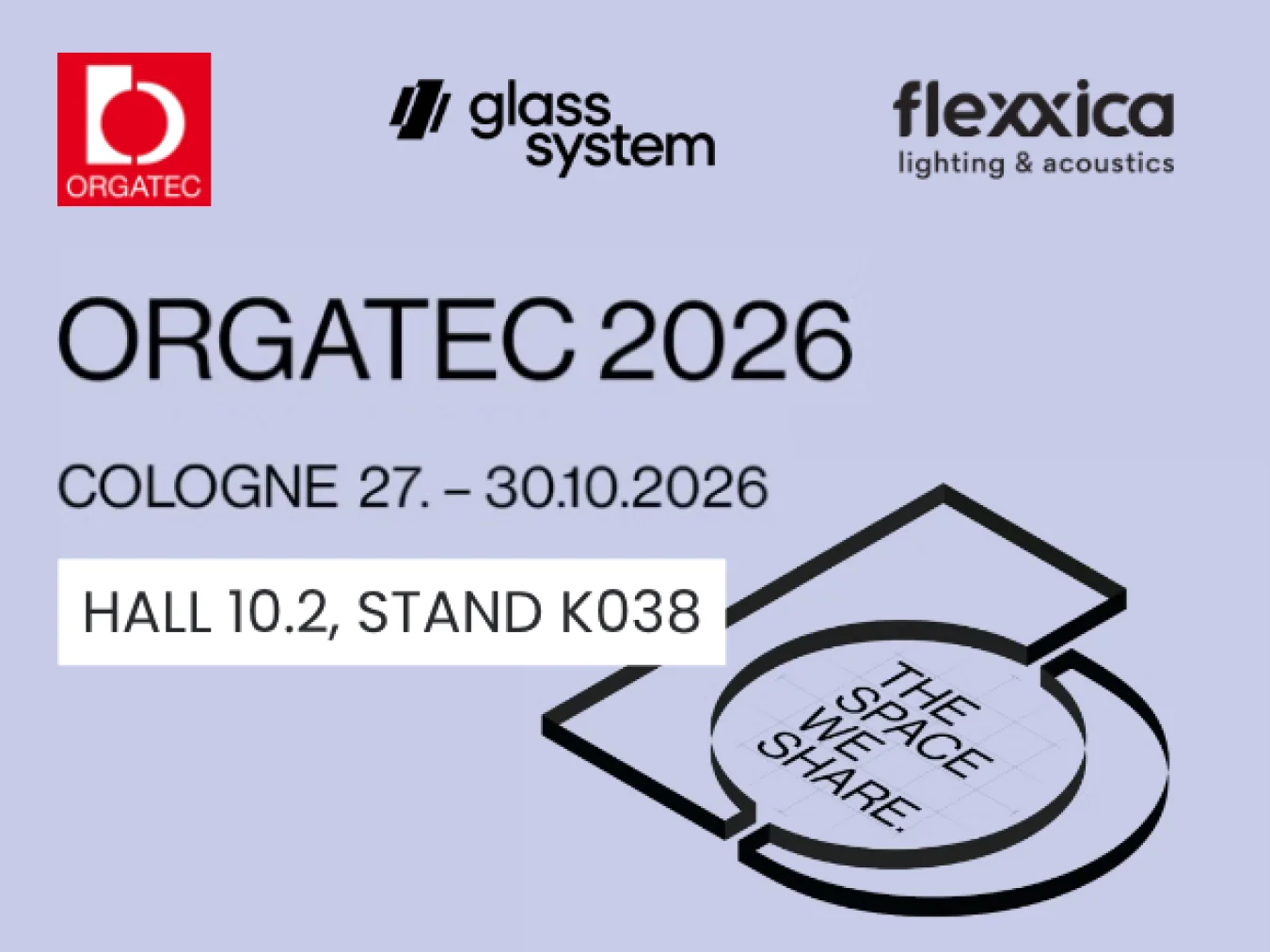
flexxica at ORGATEC 2026
See flexxica products at ORGATEC 2026, taking place from October 27–30, 2026, at the Koelnmesse trade fair centre in Cologne, at the Glass System stand.
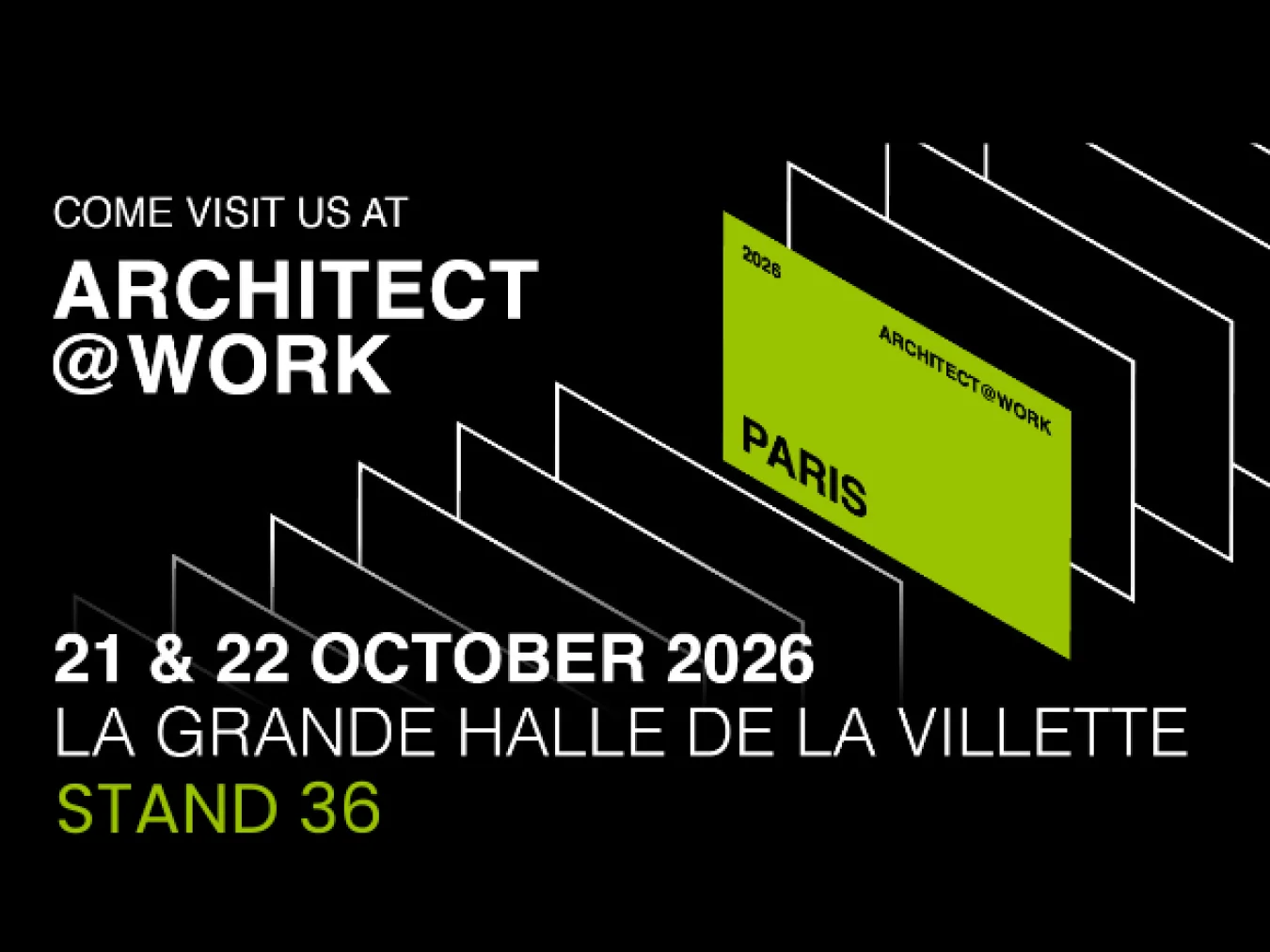
flexxica at Architect@Work Paris 2026
flexxica will be exhibiting at Architect@Work Paris on 21–22 October 2026 at the Grande Halle de la Villette. Come and see our acoustic lighting solutions in person.


